
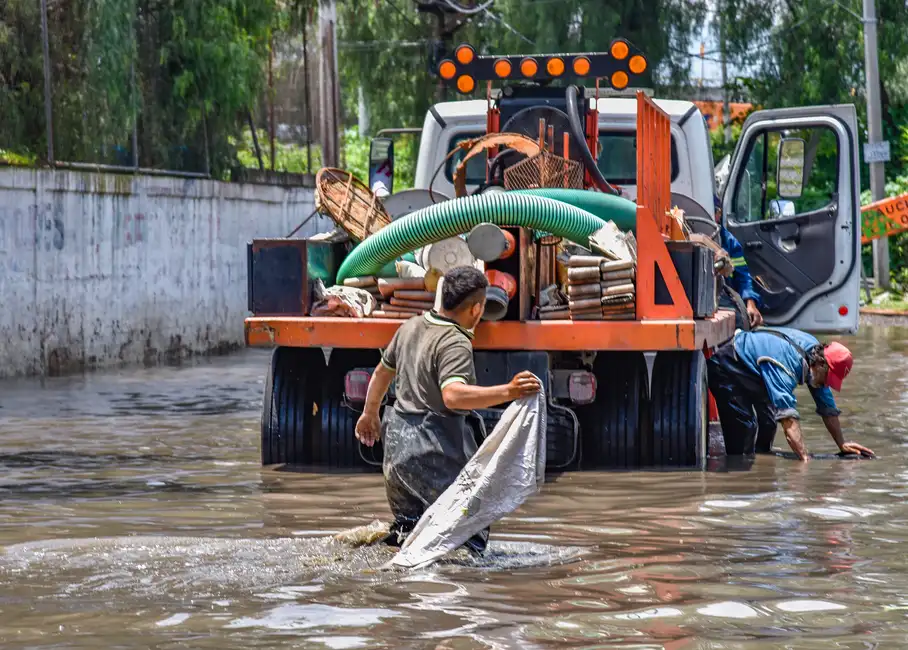
24/7 Emergency Dispatch
A real person answers your call day or night, including holidays. We dispatch the closest crew with extraction equipment already loaded. Most Florida metro areas see us within 60 to 90 minutes.
Every extraction job includes the full scope below. If your loss needs reconstruction, we handle that too, but we will tell you upfront what is covered by your insurance and what is not.
A real person answers your call day or night, including holidays. We dispatch the closest crew with extraction equipment already loaded. Most Florida metro areas see us within 60 to 90 minutes.
We use moisture meters, thermal imaging cameras, and borescope cameras to find water behind walls, under floors, and inside cabinets. You get a written scope of the affected area before we start.
Truck-mounted extraction units, wet/dry vacuums, and submersible pumps pull standing water from carpet, hardwood, tile, and concrete. We extract until the surface is dry to the touch, then keep going on the materials underneath.
Air movers, dehumidifiers, and desiccant dehumidifiers run until the structure is dry to IICRC S500 standards. We check moisture readings daily and adjust equipment placement to hit the dry standard faster.
Where water has sat or contamination is present, we apply antimicrobial spray to framing, drywall, and subfloor. Air scrubbers and negative air machines filter mold spores out of the air during the dry-out.
We photograph everything, log moisture readings, and write the scope in Xactimate format. We bill your carrier directly and talk to your adjuster so you are not stuck in the middle.
Emergency Water Extraction in Florida is the process of removing standing water from a structure within the first 24 to 48 hours of a leak, storm, or plumbing failure, then drying the building materials so they don't rot or grow mold. It is not a shop vac job. We use truck-mounted extraction wands, wet/dry vacuums, and submersible pumps to pull hundreds of gallons an hour, then moisture meters, thermal imaging cameras, and hygrometers to find water hiding behind drywall, under hardwood, and inside insulation.
Florida homes get hit from every direction: slab leaks under tile floors, burst pipes in unheated garages during a January cold snap, roof leaks after a summer squall, and storm surge flooding along the coast. Water in a Florida house also carries a higher mold risk than in drier states. In 80-degree heat with 70% humidity, mold growth after water damage can start in as little as 24 to 48 hours. That is why we treat every call as a clock, not a calendar.
Every job follows the same five steps, whether it's a single bathroom or a flooded commercial building. Here is what you can expect from the first call to the final moisture reading.
Schedule
Call or book online — a real human picks up and confirms a 2-hour arrival window.
Diagnose
Licensed tech inspects on-site, then walks you through the cause and your options.
Fix
The job is completed to code and done right the first time — no shortcuts, no surprises.
Guarantee
Every job backed by a written workmanship warranty — and we stand behind it.
Truck-mounted extraction units
Pull hundreds of gallons per hour from carpet and hard floors. These are the workhorses on every job.
Thermal imaging camera
Find water hidden behind drywall, under floors, and inside ceilings without tearing anything open.
Moisture meter and hygrometer
Measure moisture content in materials and relative humidity in the air to track drying progress daily.
Desiccant dehumidifier
Dry hardwood, plaster, and other materials that release moisture slowly. Essential for Florida's humid climate.
Air scrubber and negative air machine
Filter mold spores and dust out of the air during extraction and drying. Keeps the rest of the house clean.
Borescope camera
Inspect inside wall cavities and under cabinets to confirm water is gone before we close anything up.
IICRC S500 Standard
The industry standard for water damage restoration. It defines water categories, drying goals, and verification procedures. We dry to S500 and document it so your insurance claim holds up.
Applied Structural Drying (ASD)
A drying approach that uses air movement, dehumidification, and temperature control together to dry the structure, not just the surface. Our IICRC ASD technicians set and monitor the drying chamber.
Xactimate documentation
We write every scope in Xactimate, the estimating software insurance adjusters use. That means your claim moves faster and there is less back-and-forth about what the job actually involves.
Antimicrobial application
Where water has sat or contamination is present, we apply antimicrobial spray to framing, drywall, and subfloor. This stops mold growth after water damage before it starts.
01
What we do: We dispatch immediately, shut off the water, and extract with truck-mounted units and wet/dry vacuums. We pull the dishwasher, check the cabinet base, and set drying equipment.
→ Water is out within two hours, and the kitchen is dry in three to four days with no cabinet replacement.
02
What we do: We extract the standing water, pull wet carpet padding, and set air movers and dehumidifiers. We check the wall cavities with a thermal imaging camera for hidden moisture.
→ The room dries in four days, and you only replace the padding and baseboards instead of the whole floor.
03
What we do: We extract, remove wet drywall at the base of the wall, and dry the framing with air movers. We apply antimicrobial spray to prevent mold growth after water damage.
→ The structure is dry in three days, and the repair is limited to drywall and paint.
04
What we do: We pump the crawl space, remove debris, and dry the joists and subfloor with desiccant dehumidifiers. We check for foundation water seepage and recommend a vapor barrier.
→ The crawl space is dry in five days, and the floor joists are saved from rot.
Florida is a tough state for water damage. The humidity never really drops, so wet materials dry slowly and mold grows fast. Building stock varies wildly: 1950s concrete block ranches in Tampa, 1980s stucco homes in Boca Raton, new construction on slab in Orlando, and crawl-space houses in older parts of Crestview and Hudson. Each one dries differently. We adjust equipment and drying goals to the construction type, not a one-size-fits-all formula. In coastal areas like Merritt Island and Upper Grand Lagoon, storm surge and saltwater intrusion add contamination that requires full removal and antimicrobial treatment. Inland, slab leaks and burst pipes are the bigger call. We also know Florida code: DBPR mold-related services rules, Florida Building Code requirements for reconstruction, and what your insurance carrier expects to see in a claim. If you need same day emergency water extraction in Florida, we dispatch by region so the closest truck rolls.
Hyde Park, Tampa
Older homes with original hardwood and pier-and-beam sections. We dry these more slowly to prevent cupping and cracking.
The Acreage, Palm Beach Gardens
Large-lot homes on well water and septic. Slab leaks and irrigation line breaks are common calls here.
Merritt Island waterfront
Canal-front homes see storm surge and tidal flooding. Saltwater intrusion means full removal and antimicrobial treatment.
Crestview and the Panhandle
Colder winters mean burst pipes in garages and crawl spaces. We see more freeze-related calls here than in South Florida.
Year-round humidity above 70%
Wet materials dry slowly and mold can start in 24 to 48 hours. We run dehumidifiers longer and verify with moisture meters before pulling equipment.
Hurricane season June through November
Storm surge and wind-driven rain cause large-loss flooding. We stage crews and generators to handle multiple calls at once.
Slab-on-grade construction common statewide
Water from slab leaks spreads under flooring and wicks up walls. Thermal imaging and moisture meters are essential to find it.
January cold snaps in North Florida
Burst pipes in unheated garages and crawl spaces. We keep crews on standby when temperatures drop below freezing.
Water gets into Florida homes in a handful of predictable ways. Here are the ones we see most, and what happens if you wait.
Problem
Water spreads under the slab and wicks up into walls and baseboards. By the time you see it, the damage is often in three rooms. Mold can start in 48 hours.
Our Fix
We locate the leak with thermal imaging and moisture meters, extract the water, and dry the slab and surrounding materials with desiccant dehumidifiers. We coordinate with a licensed plumber to fix the line, then verify the structure is dry.
Problem
A burst supply line can dump 4 to 8 gallons per minute. In an hour that is hundreds of gallons through your ceilings and floors. Drywall and insulation soak fast.
Our Fix
We shut off the water, extract standing water, and pull wet insulation and drywall where needed. Air movers and dehumidifiers dry the framing, and we document the loss for your insurance claim the same day.
Problem
Storm water is category 3 contaminated. It carries sewage, chemicals, and bacteria. Anything porous it touches has to be removed, not dried.
Our Fix
We extract, remove contaminated materials, apply antimicrobial spray, and run air scrubbers with HEPA filtration. We verify cleanliness with ATP testing before we start drying and rebuilding.
Problem
A failed water heater tank releases 30 to 50 gallons in minutes. It soaks carpet, padding, and drywall. If it sits over a weekend, mold starts.
Our Fix
We extract the water, pull wet carpet padding, and dry the area with air movers. We check the subfloor and baseboards with a moisture meter. Most jobs are dry in three to four days.
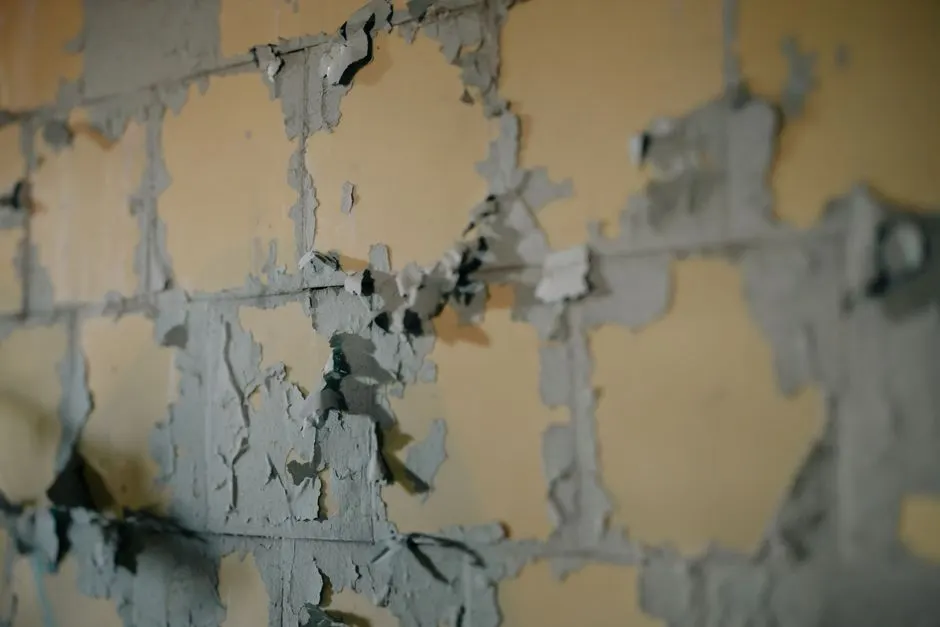
The longer water sits, the more materials it destroys. Here is what a fast, professional extraction actually buys you.
Stops Mold Before It Starts
Mold growth after water damage can begin in 24 to 48 hours in Florida's heat and humidity. We extract, then set air scrubbers and negative air machines to filter spores out of the air. Catching it in the first day often means no tear-out, no antimicrobial fogging, and no remediation bill.
Saves Your Floors and Subfloor
Carpet padding soaks up water like a sponge and has to go, but carpet itself, hardwood flooring, and subfloor can often be saved if we extract within 24 hours. We pull padding, float wet carpet, and dry hardwood with desiccant dehumidifiers to prevent cupping and buckling.
Cuts Your Insurance Claim
Most Florida policies cover sudden water damage but not long-term rot or mold. Fast extraction keeps the claim to the water event itself. We document everything with moisture readings and photos in Xactimate format so your adjuster sees the scope clearly.
Gets You Back Home Sooner
A typical extraction and dry-out takes three to five days from start to final moisture check. If we wait, that timeline stretches to two or three weeks with reconstruction. We work around your family, set up containment, and keep the noise and equipment where it does the least disruption.
Typical 2026 pricing in Florida runs $1,200 to $3,500 for a residential extraction and dry-out, with larger or contaminated losses reaching $6,000 or more. The price depends on how much water there is, what category it is, and how many rooms are affected. Most Florida insurance policies cover sudden water damage, and we bill your carrier directly. You get a written scope before we start, and we do not add charges without telling you first.
Typical Investment Range
$1,200 - $3,500 typical residential; $6,000+ for large or contaminated losses
Fast extraction is cheaper than reconstruction. Every day water sits, more materials have to be torn out and replaced. Our documentation also helps your claim get approved the first time, which keeps the job moving.
What changes the price
Volume of water
A single bathroom is a two-hour extraction. A flooded first floor with standing water can take a full day and require submersible pumps. More water means more labor and more equipment.
Water category
Clean water from a supply line is the simplest job. Category 2 gray water from a washing machine or dishwasher requires antimicrobial treatment. Category 3 black water from sewage or storm surge requires full removal and disposal.
Affected materials
Carpet and padding are quick to extract but padding usually has to go. Hardwood, tile, and concrete take longer to dry and may need desiccant dehumidifiers. Drywall that has wicked water often needs removal.
Square footage
A 200-square-foot bathroom dries with three air movers and one dehumidifier. A 1,200-square-foot open floor plan needs six to eight air movers and two dehumidifiers, plus more days of monitoring.
Access and containment
A second-floor leak that has come through a ceiling requires containment and negative air to protect the rest of the house. Crawl spaces and tight attics slow the work and add labor.
Google ★★★★★4.9
Called at 11 p.m. after a pipe burst. They were at my house in under an hour, extracted the water, and set up drying equipment. The daily moisture logs were detailed, and my insurance paid without questions. Highly recommend.
Yelp ★★★★★4.8
Our rental property in Delray Beach had a slab leak that soaked two rooms. The crew was professional, worked around the tenants, and finished the dry-out in four days. They also coordinated with the plumber. Fair price and no surprises.
BBB ★★★★★4.9
After a storm flooded our crawl space, these guys pumped it out and dried the joists. They explained everything and showed us the moisture readings. The vapor barrier they installed has kept it dry since. Good honest work.
Our technicians hold IICRC WRT (Water Damage Restoration Technician), IICRC ASD (Applied Structural Drying), and IICRC AMRT (Applied Microbial Remediation Technician) certifications. We carry the Florida DBPR Mold-Related Services License and a Florida Certified General Contractor License, plus OSHA 10-Hour Construction Safety and EPA Lead-Safe Certification. We work with Dri-Eaz and Phoenix Restoration Equipment, document every job in Xactimate, and coordinate directly with Belfor, Servpro, and ServiceMaster Restore when a claim crosses into their networks. That means your adjuster gets the documentation they need the first time.
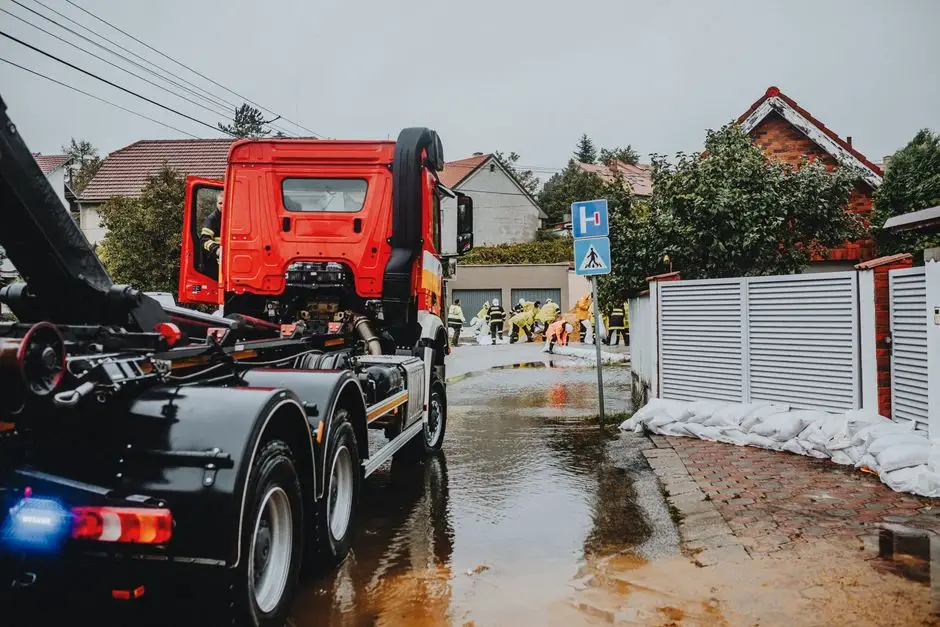
Our crews cover the entire state of Florida, from the Panhandle to the Keys. We dispatch by region so the closest truck rolls, and we carry the same equipment and certifications everywhere we go. Whether you need emergency water removal Florida or a full dry-out after a storm, we are set up to handle it in your city.
Orlando's slab-on-grade homes and afternoon thunderstorms mean frequent water intrusion. We extract fast and dry to IICRC S500 standards.
St. Pete's older homes and coastal storms bring storm surge and burst pipe calls. Our crews handle both with the right equipment.
Boca's high-rises and gated communities need careful containment and quiet equipment. We coordinate with building management and HOA rules.
Delray's mix of historic and new construction means different drying approaches. We match the method to the building, not a formula.
Large-lot homes and well water systems mean slab leaks and irrigation breaks. We locate them with thermal imaging and dry the structure.
North Fort Myers sees heavy summer rain and canal flooding. We pump crawl spaces and dry homes fast to stop mold.
Waterfront homes here face storm surge and saltwater intrusion. We remove contaminated materials and treat with antimicrobial spray.
Colder Panhandle winters mean burst pipes in garages and crawl spaces. We keep crews on standby when temperatures drop.
Brent's Pensacola-area homes deal with hurricane water intrusion and roof leaks. We tarp, extract, and dry in one visit.
Cocoa's coastal location brings storm flooding and tidal surge. We handle category 3 water with full containment and disposal.
This Panhandle waterfront community sees storm surge and saltwater damage. We extract, remove, and rebuild to Florida code.
Lockhart's older homes and septic systems mean slab leaks and drain backups. We extract and dry with minimal tear-out.
Highland City's Polk County location gets heavy summer storms. We respond fast to keep water from reaching the drywall.
Hudson's canal-front homes and crawl spaces flood after heavy rain. We pump, dry, and install vapor barriers to prevent repeats.
Seffner's mix of rural and suburban homes sees well water and slab leaks. We locate the source and dry the structure completely.
Real answers to the questions we hear most often from local homeowners and property managers.
Once extraction is done, restoration repairs what the water ruined: drywall, baseboards, flooring, and paint. We handle the whole job so you are not coordinating three contractors.
View Water Damage RestorationFloodwater is category 3 contaminated water. We extract it, remove affected materials, apply antimicrobial spray, and dispose of everything to Florida code so your home is safe to live in.
View Flood CleanupWater removal is the pumping and vacuuming phase of extraction. We use truck-mounted units and submersible pumps to pull hundreds of gallons an hour from flooded rooms and crawl spaces.
View Water RemovalSewage backups are category 3 water and require full PPE, containment, and disposal. We extract, sanitize, and verify with ATP testing before we call the job clean.
View Sewage Backup CleanupAfter a Florida storm, we tarp roofs, board windows, extract water, and dry the structure. We document everything for your wind and flood claims in one scope.
View Storm Damage RestorationHurricane water intrusion comes with storm surge, roof leaks, and wind-driven rain. We handle large-loss extraction and drying with generator power when the grid is down.
View Hurricane Water Damage RestorationCall (866) 973-3470 any hour of the day and a live dispatcher answers, not a machine. Tell us what flooded and where you are, and we send the nearest crew. Most Florida metro calls get a technician on site within 60 to 90 minutes, and we handle the insurance paperwork from the first visit.
Phone
(866) 973-3470Address
Florida
Hours
Mon–Fri: 7AM – 7PM
Sat: 8AM – 4PM
Sun: Emergency Only
24/7 Emergency Available