
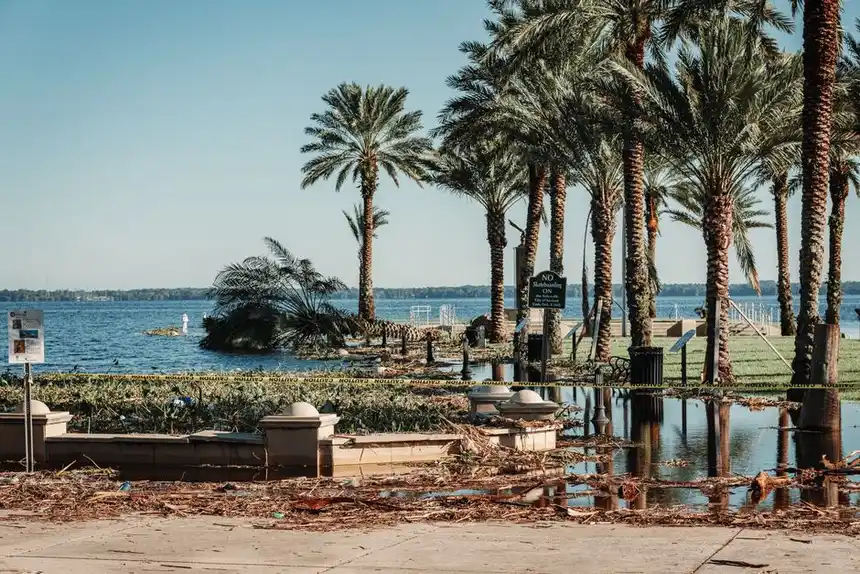
24/7 Emergency Dispatch
A live dispatcher answers day or night during storm season, assigns a crew, and gives you an arrival window. We stage equipment regionally before landfall so we are not waiting on a supply run when your floor is underwater.
Every hurricane job starts with the same core scope: emergency response, water extraction, structural drying, and documentation. Rebuild work like new drywall, flooring, and paint is quoted separately once the structure is dry and the insurance scope is set. Here is what is included on a standard call.
A live dispatcher answers day or night during storm season, assigns a crew, and gives you an arrival window. We stage equipment regionally before landfall so we are not waiting on a supply run when your floor is underwater.
We inspect with a moisture meter, thermal imaging camera, and borescope camera, then photograph every affected room. You get the readings in writing, which is exactly what your insurance adjuster needs to approve the scope.
Truck-mounted extraction wands and wet/dry vacuums pull standing water from carpet, tile, and subfloor. Saturated carpet padding, ruined drywall, and unsalvageable baseboards come out so the structure can actually dry.
Air movers, dehumidifiers, and air scrubbers run until hygrometer readings hit dry standard. We visit daily to log numbers and adjust equipment placement. Most homes dry in three to five days.
We apply antimicrobial spray to framing, subfloor, and wall cavities after extraction. This slows mold growth after water damage while the structure dries, and it is standard on every storm job we run.
Photos, moisture logs, and an Xactimate scope go into one file for your carrier. We have worked claims with most major Florida insurers and know what gets approved the first time.
Hurricane Water Damage Restoration in Florida is the process of extracting storm-driven water, drying the structure, and cleaning up contamination before mold takes hold. It starts with a moisture meter and thermal imaging camera to map where water traveled behind drywall, under hardwood flooring, and into the subfloor. Then we pull standing water with an extraction wand and wet/dry vacuum, set air movers and dehumidifiers, and monitor daily with a hygrometer until the readings match a dry standard. Storm surge flooding and hurricane water intrusion rarely stay in one room, so we trace the whole path.
Florida homes face this more than most. A hurricane can push storm surge through a crawl space, tear shingles off a roof, and drive rain through a window in the same afternoon. We see it in Kissimmee, West Palm Beach, and North Port after every named storm. That is why we run emergency hurricane water damage restoration Florida crews around the clock during hurricane season, and why we treat post hurricane water extraction and drying Florida properties as a race against mold, which can start growing in 24 to 48 hours.
Five steps, start to finish. You will know what happens, who is doing it, and how long it takes before we ever pull a hose off the truck.
Schedule
Call or book online — a real human picks up and confirms a 2-hour arrival window.
Diagnose
Licensed tech inspects on-site, then walks you through the cause and your options.
Fix
The job is completed to code and done right the first time — no shortcuts, no surprises.
Guarantee
Every job backed by a written workmanship warranty — and we stand behind it.
Thermal Imaging Camera
Finds temperature differences that reveal hidden water behind drywall, under flooring, and inside wall cavities without tearing the house apart.
Moisture Meter and Hygrometer
Reads moisture content in wood, drywall, and subfloor. We log these daily and compare them to a dry standard before pulling any equipment.
Extraction Wand and Wet/Dry Vacuum
Pulls standing water out of carpet, tile, and subfloor fast. A 1,200-square-foot flooded area usually clears in two to four hours.
Desiccant Dehumidifier
Pulls moisture out of the air in cooler or tightly sealed spaces where refrigerant units struggle, common in Florida crawl spaces and interior rooms.
Air Scrubber and Negative Air Machine
Filters airborne particles and creates pressure control during mold remediation so spores do not spread to clean rooms.
Borescope Camera
Slides into wall cavities through a small hole to confirm water and early mold growth without opening an entire wall.
IICRC S500 Standard
The drying standard we follow for water classification, equipment placement, and when a structure is actually dry. It is why we log readings instead of guessing by touch.
Xactimate Scoping
We build the repair and drying scope in Xactimate, the estimating platform most Florida carriers use. That means your adjuster reads the same numbers we do and the claim moves faster.
Antimicrobial Application
After extraction we treat framing, subfloor, and wall cavities with antimicrobial spray to slow mold growth while the structure dries. Standard on every storm job.
Daily Moisture Monitoring
A technician visits daily to log hygrometer and infrared thermometer readings, adjust equipment, and confirm the structure is trending dry. Equipment stays until the numbers pass.
01
What we do: We extract the standing water, pull saturated carpet and padding, and set drying equipment the same day. Moisture readings are logged daily until the slab and drywall hit dry standard.
→ Most surge-soaked living areas dry in three to five days, and you have a documented file for your insurance claim.
02
What we do: We use a thermal imaging camera and moisture meter to trace the leak path, open the wall, extract trapped water, and dry the cavity. We also flag the roof source for repair.
→ The wall cavity dries in three to four days instead of growing mold behind the paint, and the repair scope is documented.
03
What we do: We pump it out, remove debris, run air movers and a dehumidifier under the house, and treat the joists with antimicrobial spray. We check for foundation seepage before we leave.
→ The subfloor and joists dry to target readings, musty odors clear, and you avoid a mold problem spreading into the living space.
04
What we do: We treat it as a separate water source, extract and dry the affected area, and document both losses in the same file so your adjuster sees the full picture.
→ Both losses are dried and documented, and you are not filing two claims for one storm event.
Kissimmee
Mix of slab-on-grade homes and short-term rentals near the theme parks. Flooded carpet and vinyl plank are common after a storm, and we dry fast to keep units rentable.
West Palm Beach
Older coastal neighborhoods with mature trees and flat roofs. Wind-driven rain and roof leaks send water into wall cavities that need thermal imaging to find.
North Port
Fast-growing area with newer construction and canal-front lots. Storm surge and foundation water seepage both show up here after a named storm.
Punta Gorda
Coastal homes that took direct surge in past storms. We see contaminated water in ground-floor living space and treat it as a category 3 loss.
Land O'Lakes
Inland properties with well water and septic systems. Power outages after a storm can leave sump pumps off, and crawl space flooding follows.
Storm surge pushing 2 to 6 feet of water inland
Surge is contaminated and wicks up drywall fast. We cut to the flood line, remove insulation, and treat framing before drying, which adds a day but prevents mold.
Sustained humidity above 80 percent after a storm
High ambient humidity slows drying and can re-wet a structure if equipment is undersized. We size dehumidifiers for Florida conditions, not a national average.
Power outages lasting days in storm-hit areas
Without power, household AC cannot help dry a house. We bring generators and run our own equipment so drying does not stall waiting on the grid.
Sandy soil and high water tables near the coast
Water drains slowly and can seep back into a crawl space or slab. We check for foundation water seepage and treat it before we call a job complete.
Hurricane damage rarely comes as one clean problem. Surge, rain, and wind hit together, and the water ends up places you cannot see. These are the calls we run most often after a named storm.
Problem
Surge water is contaminated and can wick up drywall 12 to 24 inches, ruining insulation, baseboards, and flooring while mold starts within two days.
Our Fix
We extract standing water, cut out saturated drywall and insulation to the flood line, treat framing with antimicrobial spray, and dry the cavity with air movers and a desiccant dehumidifier. Documentation supports a category 3 loss claim.
Problem
Water travels down framing and pools behind cabinets and baseboards where you cannot see it. By the time a stain shows on the ceiling, the wall cavity has been wet for days.
Our Fix
We trace the path with a thermal imaging camera and borescope camera, open the wall where needed, extract trapped water, and dry the cavity. We also flag the roof opening so it gets tarped or repaired.
Problem
Standing water under the house keeps floor joists and subfloor wet, which leads to rot, musty odors, and mold growth that spreads into living space.
Our Fix
We pump the crawl space, remove debris, run targeted drying with air movers and a dehumidifier, and treat joists with antimicrobial spray. We also check for foundation water seepage so the next storm does not refill it.
Problem
When storm water overwhelms sewer lines, backup into a home is a category 3 loss. It carries bacteria and requires removal of porous materials, not just drying.
Our Fix
We remove affected carpet, padding, and drywall, disinfect the area, and dry the structure. Our scope documents the contamination level so your carrier processes it correctly.
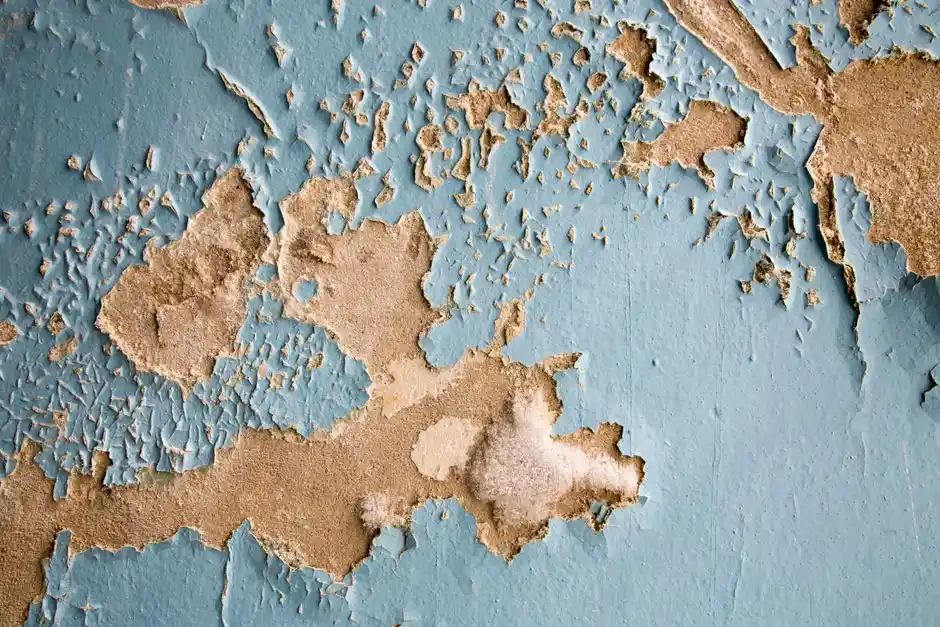
Storm water does not wait, and neither do we. Here is what you get when you call us instead of a general handyman with a shop vac.
Fast 24/7 Storm Response
We answer the phone at 2 a.m. during a named storm and roll trucks as soon as winds drop below safe limits. Our crews stage across Florida so a Kissimmee or West Palm Beach call gets a real arrival window, not a voicemail. That first hour is when extraction saves the most flooring.
Licensed and Insured Crews
Every technician works under our Florida Certified General Contractor License and carries IICRC WRT and ASD training. We are bonded and carry Florida Workers' Compensation Insurance, so nobody is cutting corners on your property. You get documentation built for insurance, not guesswork.
Mold Stopped Before It Starts
Mold can colonize wet drywall and carpet padding in 24 to 48 hours. We apply antimicrobial spray, set air scrubbers and negative air machines, and hold drying until moisture readings hit target. If growth already started, our IICRC AMRT and Florida DBPR Mold-Related Services License cover the remediation.
Insurance-Ready Documentation
We photograph every affected room, log moisture readings, and build the scope in Xactimate, the same estimating platform most Florida carriers use. That means fewer back-and-forth questions and a cleaner claim. You get the file, your adjuster gets the file, and the work gets approved faster.
Typical 2026 pricing in Florida runs $1,800 to $6,500 for extraction and drying on an average home, with small extraction-only jobs starting near $900 and full homes with rebuild reaching $15,000 or more. Category 3 surge water costs more than a clean roof leak because contaminated materials have to come out. We give you a written scope before work starts, and our Xactimate documentation is built to match what your carrier expects to see. Affordable hurricane water damage restoration in Florida comes down to drying it right the first time, not the lowest bid.
Typical Investment Range
$900 - $15,000+ depending on scope
You are paying for verified drying, documented readings, and a file your insurance carrier can process. A cheap cleanup that leaves moisture behind turns into a mold claim in six weeks, and that costs far more.
What changes the price
Square footage affected
A single flooded room is a different job than 1,500 square feet. More area means more extraction time, more air movers, and more dehumidifier capacity, which drives both labor and equipment cost.
Water category
Clean water from a roof leak is category 1. Storm surge and sewage backup are category 3, which requires removing porous materials, disinfecting, and documenting the contamination for your claim.
How long water sat
Water sitting 24 to 48 hours gives mold a head start and can mean remediation on top of drying. Fast extraction is the cheapest thing you can do after a storm.
Materials affected
Carpet and padding usually come out. Hardwood flooring, subfloor, and drywall can sometimes be dried in place, which saves money, but dense materials take longer and need more equipment.
Crawl space or slab access
Crawl space flooding and slab leaks take extra labor to reach and dry. Tight access slows equipment placement and adds monitoring time.
Mold remediation needed
If growth already started, remediation adds containment, air scrubbers, negative air machines, and a licensed mold scope. Catching it early is the difference between drying and full remediation.
Google ★★★★★4.9
Called after the hurricane and they had a crew at our house the next morning. Extracted the water, set equipment, and checked readings every day. They explained what they were doing and why. The insurance scope they wrote got approved without argument.
Yelp ★★★★★4.8
Our crawl space flooded and we did not know where to start. They pumped it out, dried the joists, and treated everything. No more musty smell. Fair pricing and no pressure to add work we did not need.
BBB ★★★★★4.9
Roof leak during the storm soaked a wall we could not see. Their thermal camera found it, they opened the wall, dried it, and put it back together. Professional from the first phone call to the final walkthrough.
Our technicians hold IICRC WRT (Water Damage Restoration Technician), IICRC ASD (Applied Structural Drying), and IICRC AMRT (Applied Microbial Remediation Technician) credentials, and we operate under a Florida DBPR Mold-Related Services License and a Florida Certified General Contractor License. We carry OSHA 10-Hour Construction Safety and EPA Lead-Safe Certification, which matters on older Florida homes with pre-1978 paint. We have dried everything from Marco Island condos to Auburndale ranch houses after named storms, and we document every job the same way whether it is a $900 extraction or a full rebuild.
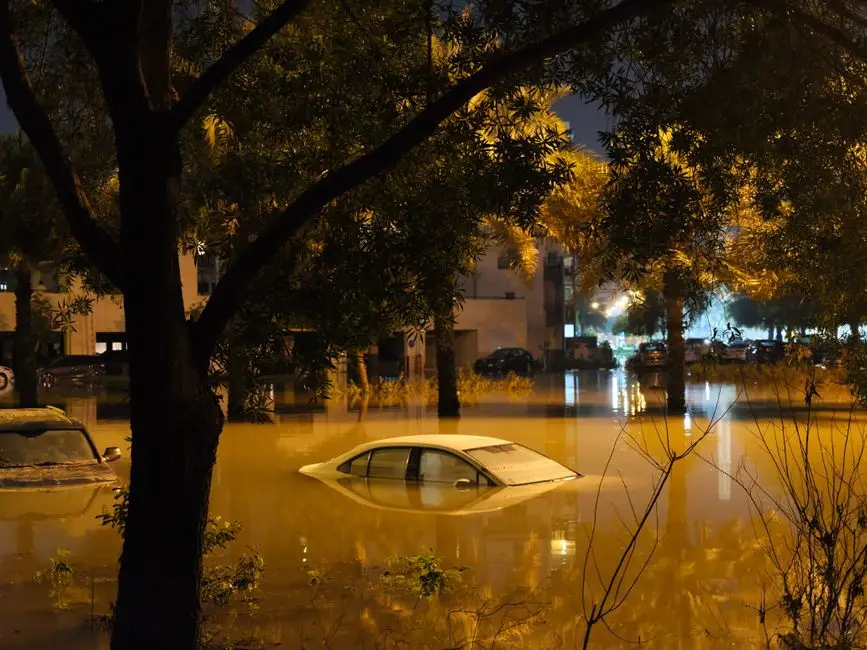
We run hurricane water damage restoration services Florida homeowners can actually get to their door, with crews covering the coast, the interior, and everything between. That includes storm-prone inland towns and coastal communities that take surge. Wherever you are, the process is the same: call, get a crew, get dried, get documented.
Slab-on-grade homes and short-term rentals near the parks flood fast after a storm. We extract, dry, and document so units get back on the rental calendar.
Older coastal homes with flat roofs and mature trees. Wind-driven rain and roof leaks send water into wall cavities we find with thermal imaging.
Newer construction and canal-front lots where surge and foundation seepage both show up. We pump, dry, and check the slab before we call it done.
Rural and equestrian properties on well and septic. Storm flooding here often hits outbuildings and crawl spaces, so we handle the whole property.
Dense 1970s block homes with low slabs. Storm water wicks up drywall quickly, so we cut to the flood line and dry the cavity.
Inland properties where power outages after a storm leave sump pumps off. Crawl space flooding and wet subfloors are the calls we run most.
Older homes with mature tree canopy and historic construction. Storm debris on roofs leads to leaks, and we trace them before opening walls.
Coastal Martin County homes that take wind-driven rain and occasional surge. We extract, dry, and document for the insurance claim.
Ground-floor living space that has seen direct surge before. We treat it as a category 3 loss, remove contaminated materials, and disinfect.
Inland Polk County homes with slab construction and sandy soil. Storm water drains slowly here, so we check for seepage before finishing.
Elevated coastal condos and homes where surge and saltwater intrusion are real. We dry fast to protect flooring and framing.
Panhandle properties that take hurricane wind and rain. Roof leaks and flooded garages are common, and we handle both in one visit.
Treasure Coast homes near the Indian River. Storm surge and heavy rain both push water in, and we extract and dry the same day we arrive.
Inland Highlands County homes with older construction. Storm water finds its way into wall cavities, and we map it before opening anything.
Brevard County properties near the coast where hurricanes make landfall. We stage equipment nearby so response is fast when a storm hits.
Real answers to the questions we hear most often from local homeowners and property managers.
The core service behind every hurricane call. We extract, dry, and document the loss so your Florida home returns to a dry standard, not just a dry-looking floor.
View Water Damage RestorationStorm surge and roof leaks dump water fast. Our truck-mounted extraction clears standing water in hours, which is the single biggest factor in whether your flooring survives.
View Emergency Water ExtractionFloodwater carries contamination. We remove saturated materials, treat surfaces with antimicrobial spray, and rebuild the space to a clean, safe condition after a storm.
View Flood CleanupWhen water is still rising or sitting in a crawl space, water removal comes first. We pump, vacuum, and haul so drying equipment can actually do its job.
View Water RemovalStorm flooding often overwhelms sewer lines. Sewage backup is a category 3 loss, so we remove affected materials, disinfect, and document the hazard for your claim.
View Sewage Backup CleanupWind, surge, and rain hit together. We handle the water side and coordinate the structural repairs so your home is not left half-finished between trades.
View Storm Damage RestorationCall (866) 973-3470 any hour of the day and a live dispatcher answers, not a machine. Tell us what flooded and where you are, and we send the nearest crew. Most Florida metro calls get a technician on site within 60 to 90 minutes, and we handle the insurance paperwork from the first visit.
Phone
(866) 973-3470Address
Florida
Hours
Mon–Fri: 7AM – 7PM
Sat: 8AM – 4PM
Sun: Emergency Only
24/7 Emergency Available