
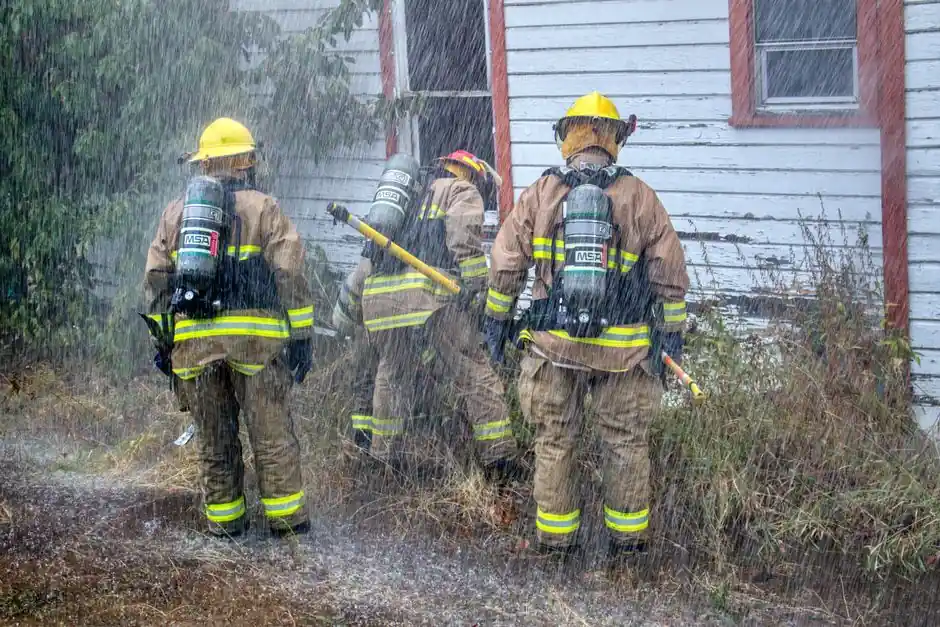
Moisture Mapping and Documentation
We walk the structure with a moisture meter, thermal imaging camera and borescope camera, then give you a marked map of wet and dry zones. Photos and readings go into the file for your insurance claim.
Every structural drying job includes moisture mapping, equipment setup, daily monitoring and a final dry-standard report. If a material is too far gone to save, we flag it before we leave so you can plan the repair. Here is what comes standard.
We walk the structure with a moisture meter, thermal imaging camera and borescope camera, then give you a marked map of wet and dry zones. Photos and readings go into the file for your insurance claim.
Standing water comes out with truck-mounted extraction, extraction wands and wet/dry vacuums. Saturated carpet padding is removed and bagged so it does not keep feeding moisture back into the subfloor.
We place air movers and a desiccant or refrigerant dehumidifier sized to the cubic footage of the wet zone. An air scrubber or negative air machine goes in when mold risk is elevated.
A technician returns each day to log temperature, relative humidity and material moisture. We adjust equipment placement as the drying curve changes, so you are not paying for equipment that is no longer doing work.
Where water came from a sewage backup or sat long enough to raise mold risk, we apply antimicrobial spray to affected framing and cavities before drying continues.
We compare every reading to the dry standard for that material and hand you a written drying report. If a baseboard or drywall section needs replacement, we tell you before we pack up.
Structural Drying in Florida is the controlled removal of moisture from building materials, not just the air in the room. We map the wet zone with a moisture meter and thermal imaging camera, then set air movers and dehumidifiers to pull water out of drywall, baseboards, carpet padding, hardwood flooring and subfloor. A hygrometer tracks grains per pound until every reading matches a dry standard for the material. That is the difference between a floor that feels dry and a structure that is dry.
Florida homes hold water in ways other states do not. Slab-on-grade construction means a slab leak or washing machine overflow wicks sideways under tile for days. Hurricane water intrusion pushes salt water into wall cavities that reads dry on the surface and wet 2 inches in. We see crawl space flooding in older Tampa and Ocoee homes and roof leaks in Naples after summer storms. If you search for structural drying in Florida after water damage, you want a crew that knows how Florida buildings fail, not a generic drying setup.
Every job follows the same measured sequence, from the first moisture reading to the final dry standard check. You get a daily update and the numbers behind each decision.
Schedule
Call or book online — a real human picks up and confirms a 2-hour arrival window.
Diagnose
Licensed tech inspects on-site, then walks you through the cause and your options.
Fix
The job is completed to code and done right the first time — no shortcuts, no surprises.
Guarantee
Every job backed by a written workmanship warranty — and we stand behind it.
Moisture Meter
Pin and pinless readings on drywall, subfloor and framing to establish the wet zone and track daily progress against dry standard.
Thermal Imaging Camera
Finds hidden moisture behind tile, under flooring and inside wall cavities without tearing the structure apart.
Desiccant Dehumidifier
Pulls large volumes of moisture out of the air in Florida humidity, especially in cool or dense-material dryouts where refrigerant units stall.
Air Mover
High-velocity airflow across wet surfaces to speed evaporation from drywall, subfloor and framing.
Air Scrubber and Negative Air Machine
Captures airborne mold spores and dust, and keeps contaminated air from spreading into clean rooms during drying.
Borescope Camera
Inspects inside wall cavities and crawl spaces to confirm moisture is gone before we close up.
Extraction Wand and Wet/Dry Vacuum
Removes standing water and saturated carpet before drying equipment goes down.
IICRC S500 Drying Standard
We follow the IICRC S500 standard for water damage restoration, which sets the dry standard for each material class and guides equipment sizing. That is why our daily logs compare readings to a published standard, not a guess.
Psychrometric Monitoring
We track temperature, relative humidity and grains per pound with a hygrometer to calculate the drying curve. When the curve flattens, we adjust airflow or switch to desiccant dehumidification instead of running equipment longer.
Containment and Air Scrubbing
On mold-risk or sewage jobs, we set plastic sheeting and run an air scrubber to keep spores and contaminants out of clean areas. Containment comes down only after final readings pass.
Xactimate Documentation
Daily readings, photos and equipment logs are formatted for Xactimate so your adjuster can process the claim without chasing missing information.
01
What we do: We dispatch a crew with extraction equipment and dehumidifiers, open the wall to release trapped water, and start structural drying the same night. Daily readings track the wall cavity and subfloor until both hit dry standard.
→ Most burst-pipe dryouts finish in 3 to 5 days with the hallway drywall saved and no mold growth.
02
What we do: We pull saturated padding, extract the carpet, and set air movers plus a dehumidifier. A moisture meter checks the wall base and the concrete slab underneath before we call it dry.
→ Carpet and drywall come back dry in 3 to 4 days, and the unit avoids a full flooring replacement.
03
What we do: Extraction removes the standing water, then we lift the vinyl to dry the subfloor and set equipment in both rooms. A hygrometer tracks humidity in the kitchen cabinets.
→ Subfloor and cabinets dry in 4 days, and the homeowner avoids cabinet replacement.
04
What we do: We extract, remove wet baseboards, and dry the drywall and slab with air movers and a dehumidifier. Daily logs document the dryout for the insurance claim.
→ Garage structure reaches dry standard in 4 days, with only the baseboards needing replacement.
Florida's climate and building stock change how structural drying works from one county to the next. In November, the rainy season is behind us, but humidity still sits high enough that a wet wall will not air-dry on its own. Coastal homes from Clearwater Beach to Palm Beach deal with salt-laden storm water and wind-driven rain that pushes into wall cavities. Inland homes in Ocoee, South Apopka and Winter Haven are often slab-on-grade, so a slab leak or washing machine overflow spreads sideways under tile. Older Tampa and Palmetto homes have crawl spaces that trap humidity and need desiccant dehumidification rather than open-window drying. We size equipment to the structure, not to a template. If you need affordable structural drying in Florida after a storm or leak, call (866) 973-3470 and we will tell you what the job actually requires.
Carrollwood
Many 1970s and 1980s homes here have original cast-iron drains and slab-on-grade construction, so leaks often travel under tile before they show.
East Lake-Orient Park
A mix of older block homes and industrial buildings means we see both residential slab leaks and commercial roof leaks after storms.
Pine Hills
Dense residential blocks with mature trees; root intrusion into sewer lines and roof leaks are common calls.
South Venice
Coastal lots with high water tables. Crawl space flooding and storm surge intrusion show up fast after heavy rain.
Thonotosassa
Rural properties on well and septic systems; washing machine overflows and water heater leaks are frequent dryout calls.
Year-round humidity above 70 percent
Wet drywall and framing will not air-dry on their own. We run dehumidifiers continuously and monitor grains per pound to confirm moisture is leaving the structure.
Slab-on-grade construction
Water spreads sideways under tile and vinyl, so we map the slab with thermal imaging before setting equipment. Drying the slab takes longer than drying the air.
Hurricane and tropical storm season
Wind-driven rain and storm surge push water into wall cavities. We use borescope cameras to find hidden moisture and dry cavities with negative air pressure.
Older housing stock with cast-iron and galvanized plumbing
Pinhole leaks and drain failures are common, so we check the plumbing path as well as the wet zone before drying starts.
Florida buildings fail in predictable ways, and each one leaves moisture in a different place. Here are the problems we get called for most and how we dry them out.
Problem
A slab leak can push water sideways under flooring long before you see it. By the time tile feels loose, the subfloor and bottom plate of the wall are wet and mold has a head start.
Our Fix
We use a thermal imaging camera and moisture meter to trace the wet zone across the slab, then set air movers and a desiccant dehumidifier to dry the slab and the wall base. Most slab-leak dryouts finish in 4 to 6 days.
Problem
Wind-driven rain and storm surge push salt water into cavities that read dry on the surface. Trapped moisture rusts fasteners, delaminates drywall and grows mold inside the wall.
Our Fix
We drill small inspection holes, run a borescope camera inside the cavity, and dry with air movers plus a negative air machine. Salt-affected framing gets checked twice before we call it dry.
Problem
Crawl space flooding raises humidity under the whole house. Joists and subfloor stay damp, floors feel soft, and the smell works its way into living space within a week.
Our Fix
We extract standing water, then run desiccant dehumidifiers and air movers under the house. We monitor joist moisture daily and treat framing with antimicrobial spray where needed.
Problem
Sewage is a Category 3 loss. Porous materials that stay wet carry bacteria into the rest of the house, and the smell lingers even after the surface dries.
Our Fix
We remove contaminated materials, disinfect the framing, then run structural drying with an air scrubber to capture airborne contaminants. The structure comes back dry and clean, not just dry.

Mold in Florida can start colonizing wet drywall in 24 to 48 hours. Fast, measured structural drying stops that clock and protects the materials you already paid for. Here is what our Florida structural drying services deliver.
Mold Clock Stopped
Mold growth after water damage can begin in 24 to 48 hours in Florida humidity. We start drying the same day we arrive, using air scrubbers and negative air machines to keep spores out of the rest of the house. Most jobs hit dry standard in 3 to 5 days, well inside the window where remediation stays cheap.
Materials Saved, Not Replaced
Drywall, hardwood flooring and subfloor can often be saved if drying starts fast. We use extraction wands and wet/dry vacuums first, then controlled airflow. On a recent Palm Harbor job we saved 340 square feet of oak flooring that a tear-out crew would have scrapped, which cut the repair bill by thousands.
Documented for Your Claim
We log moisture readings, photos and daily drying logs in Xactimate-compatible format so your adjuster sees exactly what was wet and when it dried. That documentation is what turns a denied or lowball claim into a paid one. You get the same numbers we do, in writing.
Emergency Structural Drying Florida
Burst pipes at 2 a.m. and post-storm tarp-overs do not wait for business hours. Our emergency structural drying Florida crews answer 24/7 and roll with truck-mounted extraction and Dri-Eaz and Phoenix Restoration Equipment dehumidifiers. Average on-site time across our Florida service area is 60 to 90 minutes for storm calls.
Structural drying pricing in Florida depends on how much area is wet, what materials are affected, and how many days of drying are needed. Typical 2026 pricing for a residential dryout runs $1,200 to $4,500, with larger storm or sewage losses reaching $6,000 to $12,000. We give you a written scope and price before equipment goes down, and we bill insurance directly when the loss is covered. Our Florida structural drying services are priced to save materials, because drying drywall beats replacing it.
Typical Investment Range
$1,200 - $12,000 depending on scope
Drying a structure correctly the first time costs less than tearing out and replacing materials, and it prevents the mold remediation bill that follows a slow dryout. You get documented readings, daily logs and a report your adjuster can use.
What changes the price
Square footage affected
A single room dryout costs far less than a whole-floor loss. We measure the wet zone with a moisture meter and price to the actual affected area, not the whole house.
Materials involved
Carpet and padding dry fast. Hardwood flooring, double drywall and dense subfloor take longer and need more equipment, which raises the cost.
Water category
Clean water from a supply line is cheaper to dry than Category 3 sewage, which requires removal of contaminated materials, disinfection and air scrubbing.
Drying days required
Most jobs run 3 to 5 days. Dense materials or a wet slab can push to 6 to 8 days, and each extra day adds monitoring and equipment time.
Access and containment
Crawl spaces, tight wall cavities and mold-risk jobs need containment, plastic sheeting and air scrubbers, which adds labor and setup time.
Google ★★★★★4.9
Called at 6 a.m. after a pipe burst in the wall. Crew was here by 7:30, extracted the water and had drying equipment running before lunch. They showed me the moisture readings every day and the final report went straight to my insurance.
Yelp ★★★★★4.8
Storm pushed water under our sliding door in Naples. They pulled the wet padding, dried the carpet and slab, and saved us a full flooring replacement. Four days, no mold, no surprises on the invoice.
BBB ★★★★★4.9
Crawl space flooded under our house and the smell was getting into the living room. They extracted, dried the joists and treated the framing. Readings came back to normal in six days. Straight answers the whole way.
Google ★★★★★5.0
Water heater let go the night before Thanksgiving. They answered at 11 p.m. and started drying that night. Garage drywall and baseboards were dry in four days and the price matched the scope up front.
Our technicians hold IICRC WRT (Water Damage Restoration Technician) and IICRC ASD (Applied Structural Drying) certifications, with AMRT (Applied Microbial Remediation Technician) on staff for mold-risk jobs. We work under Florida DBPR Mold-Related Services License requirements and carry Florida Workers' Compensation Insurance on every crew. We have dried slab-on-grade homes, crawl spaces, stilt houses and commercial buildings across the state, and we know how Florida humidity changes the drying curve. Every job gets moisture readings you can read yourself, not a verbal 'it's dry'.
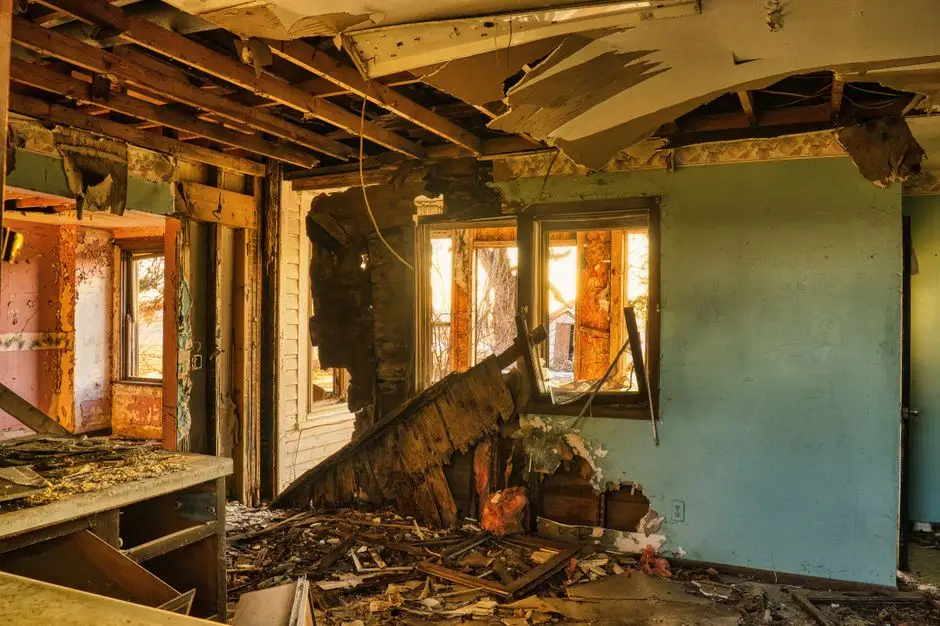
Our Florida structural drying services cover the whole state, from the Panhandle to the Keys. Crews stage out of Tampa, Orlando, Fort Myers, West Palm Beach and Pensacola, so we reach both coasts and the interior. Here are a few of the cities we serve most often.
Chain-of-lakes humidity and slab-on-grade homes mean we run desiccant dehumidifiers on most Winter Haven dryouts. Crawl space flooding and washing machine overflows are common calls.
Salt air and storm surge push water into wall cavities on Clearwater Beach properties. We use borescope cameras and negative air machines to dry cavities without a full tear-out.
Older block homes and mature trees make Pine Hills a frequent stop for roof leaks and sewer line backups. We extract, disinfect and dry the structure to a measured standard.
Palm Harbor has a lot of 1970s and 1980s homes with original plumbing. Supply line failures and water heater leaks are our most common dryout calls here.
Ocoee's slab-on-grade construction means leaks travel under tile before they show. We map the slab with thermal imaging and dry the subfloor and wall base together.
Carrollwood homes often have cast-iron drains and original drywall. We check the plumbing path as well as the wet zone before setting drying equipment.
A mix of residential and industrial buildings in East Lake-Orient Park means we handle both home slab leaks and commercial roof leaks after storms.
Lithia's larger lots and well systems bring washing machine overflows and water heater leaks. We extract, dry and document the loss for insurance.
Naples condos and coastal homes see wind-driven rain under sliding doors. We pull saturated padding, dry the slab and wall base, and save the carpet when readings allow.
High water tables and coastal lots in South Venice mean crawl space flooding after heavy rain. We extract, run desiccant dehumidifiers and treat framing.
Rural Thonotosassa properties on well and septic systems call us for water heater leaks and washing machine overflows. We dry the structure and document the loss.
Palmetto's older homes and crawl spaces trap humidity. We use desiccant dehumidification and daily joist readings to dry the structure without rot.
Cocoa Beach stilt homes and coastal condos deal with storm surge intrusion. We dry wall cavities with negative air pressure and verify with moisture meters.
Palm Beach properties range from historic homes to modern condos. We size equipment to the structure and document every reading for high-value insurance claims.
South Apopka's slab-on-grade homes and older plumbing make supply line failures common. We extract fast and dry the slab and wall base to dry standard.
Real answers to the questions we hear most often from local homeowners and property managers.
Full-scope restoration from extraction through repairs. We dry the structure first, then rebuild drywall, baseboards and flooring so your Florida home is back to pre-loss condition.
View Water Damage RestorationTruck-mounted extraction and wet/dry vacuums pull standing water fast. This is the first step before structural drying can begin, and it runs 24/7 across Florida.
View Emergency Water ExtractionFlood water carries contaminants, so cleanup includes antimicrobial spray and safe disposal of saturated materials before we start drying the structure.
View Flood CleanupWater removal clears standing water from floors, crawl spaces and basements. Once the bulk water is gone, our structural drying equipment takes over on the framing and subfloor.
View Water RemovalSewage backups are a Category 3 loss. We remove contaminated materials, disinfect, then run structural drying with air scrubbers to protect the rest of the home.
View Sewage Backup CleanupAfter a Florida storm, we tarp, extract and dry. Structural drying follows storm water intrusion so wind-driven rain does not turn into mold behind your walls.
View Storm Damage RestorationCall (866) 973-3470 any hour of the day and a live dispatcher answers, not a machine. Tell us what flooded and where you are, and we send the nearest crew. Most Florida metro calls get a technician on site within 60 to 90 minutes, and we handle the insurance paperwork from the first visit.
Phone
(866) 973-3470Address
Florida
Hours
Mon–Fri: 7AM – 7PM
Sat: 8AM – 4PM
Sun: Emergency Only
24/7 Emergency Available